
The Color is Blue
Blue is both my favorite and default color. I am comfortable in blue. It looks great with all other colors. Blue sky defines a lovely sunny day or a stormy cloud-filled day. It holds the most depth in the view which could go on forever. When I began to garden, I searched for blue flowers and did not find many. Now I have a list from my garden and gardens I designed for clients. I plant perennials, native and non-native choices that do not invade their neighbors’ space where I live in central Iowa.
It may seem odd that for a person influenced by the prairie and its greens, yellows, and browns (the siennas a painter can buy) chooses blue. Sky comes first in a landscape painting. It sets the weather, the time of day, and the light source. Even when not much sky is shown, it is understood as there.
Here is a list of blue flowers in no particular order, with a few comments. You can assume they are hardy where I garden, in Iowa and Zones 4-5. It is easy to find all their characteristics at https://www.missouribotanicalgarden.org/plantfinder/plantfindersearch.aspx. I also use this catalog, https://www.prairiemoon.com.
Baptisia australis, False Blue Indigo
Although it starts slow, Baptisia stays with you for years. Do not plan to move it. There also are white, cream, and yellow versions of this native plant. This three-foot tall perennial is an elegant and graceful addition to the garden. Like the other Baptisia species, it is a host plant for the wild indigo duskywing (Erynnis baptisiae) butterfly.
Platycodon grandiflorus, Balloon flower
Once I found this flower, I have always have it in my garden. It is not easy to find in catalogs and garden centers. It balloon flower starts slowly to emerge in mid-spring. Do not worry. The flowers are shaped like balloons until they open into bell-like blooms. I put stem supports around the group as our site is very windy and leave the supports all year so I can find the plants the following year.
Tradescantia ohiensis, Spiderwort
Like the Indigo, native Spiderwort blooms in the spring, the two blue together is a showstopper. In our small prairie they bloom side by side. Spiderwort travels to other gardens in our landscape, which to us is a bonus. The flowers close in the evening and open again in the morning.
Nepeta x faassenii, Catmint
A deer resistant, non-native, Catmint fills and connects spaces in the garden. The mature plant needs to be pruned in early summer and then keeps on meeting our goals. A number of varieties and cultivars are available including Nepeta racemosa which is small and works well along paths.
Salvia, Sage
Perennial Salvias come in many forms with even more names and the colors range in blues and purples. The one I show here is the native Salvia azurea. This plant is graceful and looks wonderful with Echinacea purpurea, purple coneflower and yellow Rudbeckias, black-eyed Susans.
This post is part of the #GardenBloggersChallenge sponsored by GardenComm for the month of May. You are invited to join in and can see more details at gardencomm.org. These photographs are mine of plants in my garden.
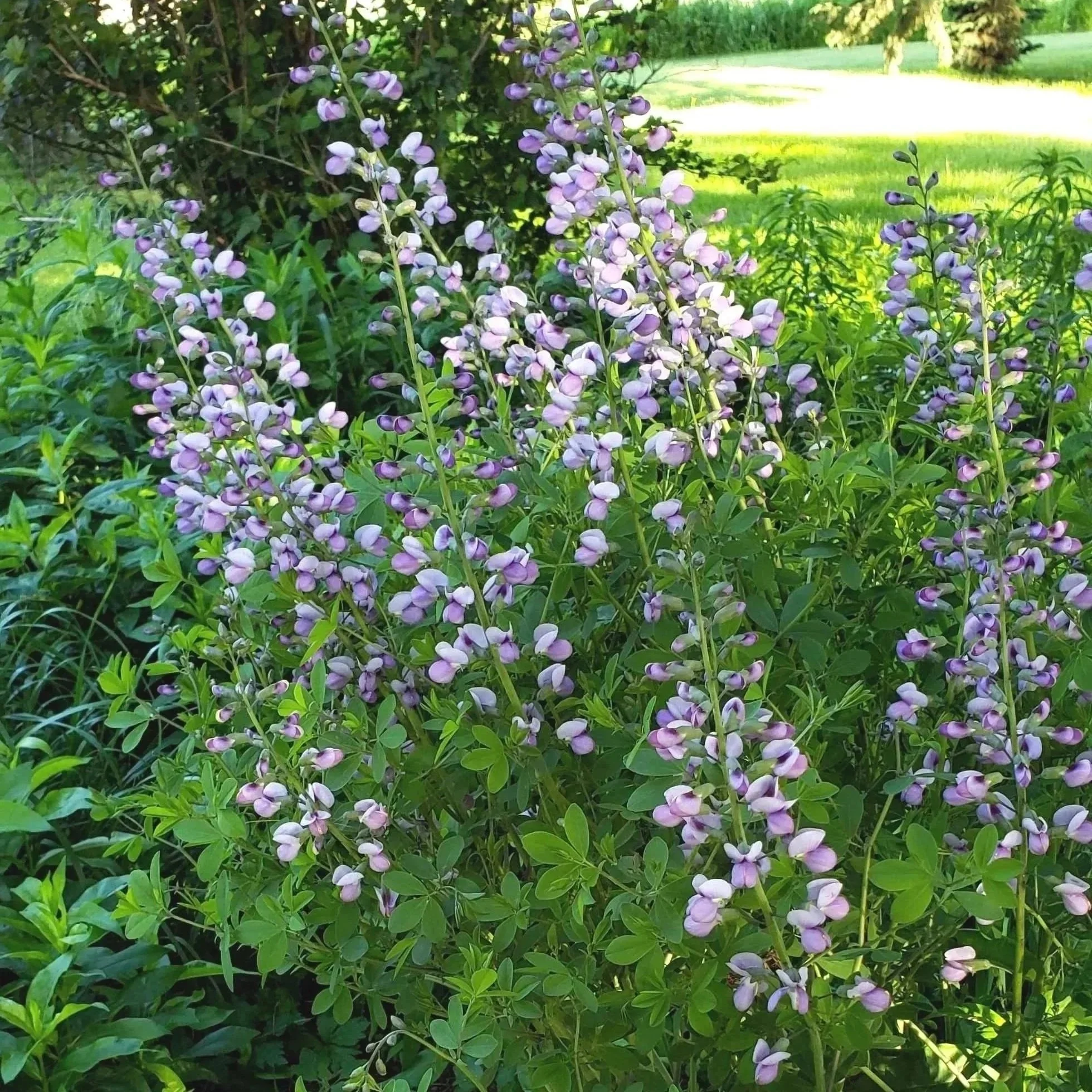
Baptisia australis, False Blue Indigo

Platycodon grandiflorus, Balloon Flower
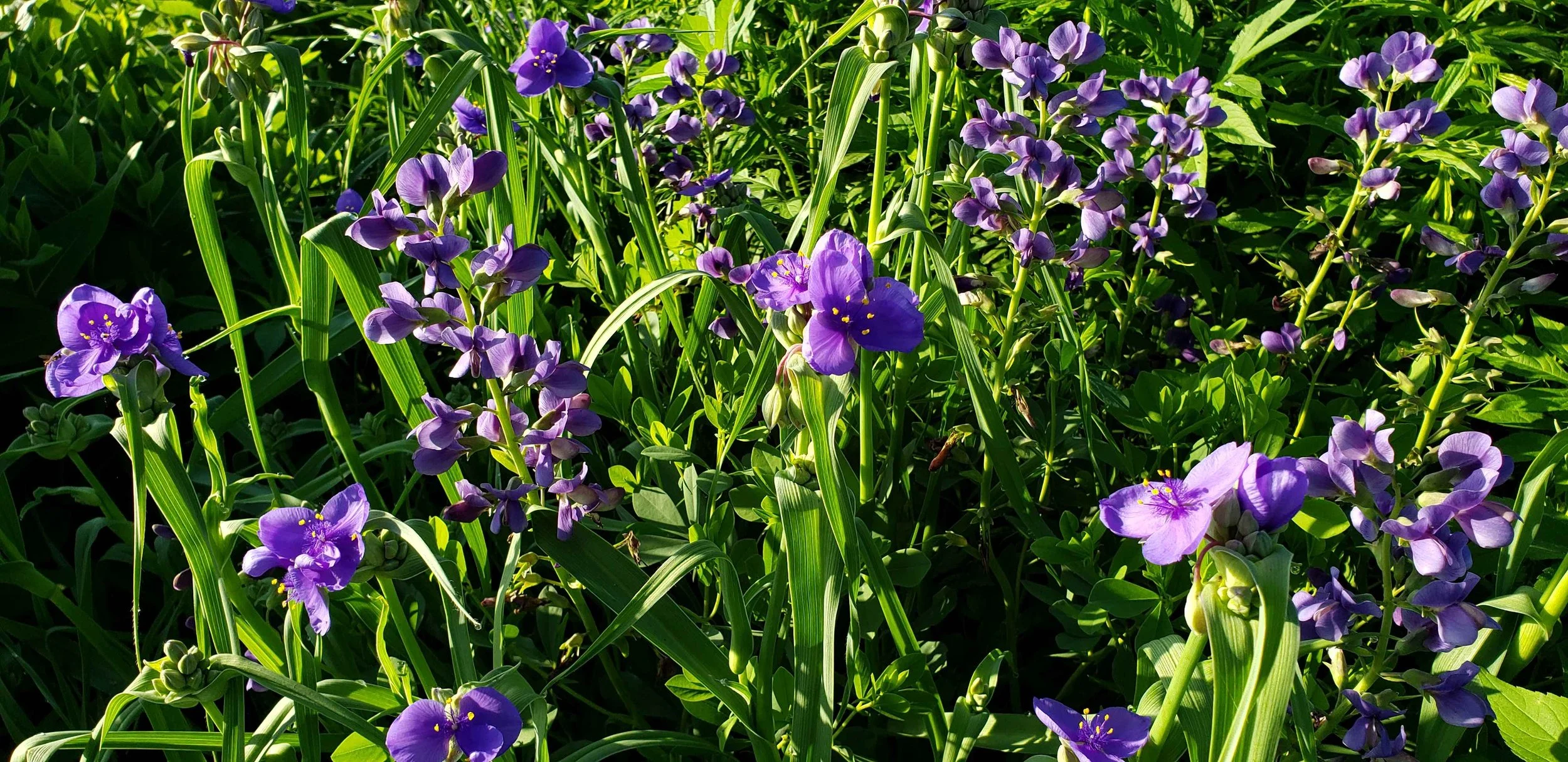
Tradescantia ohiensis, Spiderwort

Nepeta x faassenii, Catmint
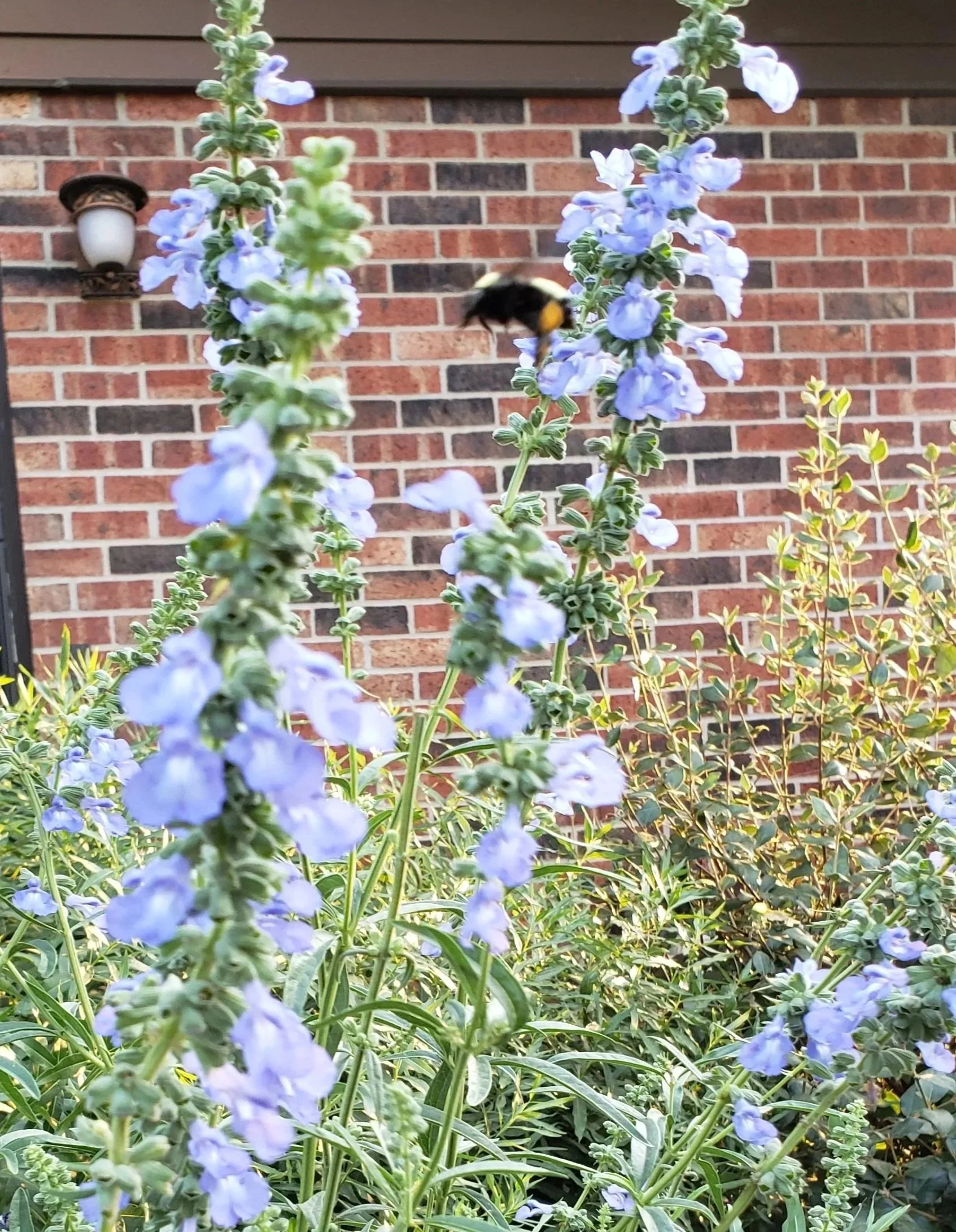
Salvia azurea, Blue Sage